See wind generation, solar generation and battery storage in three real PEI case studies →
Why climate science matters when evaluating energy technologies →
Technology discovery
Seven technologies, seven different jobs
Technologies can serve more than one function, so some appear under several filters. Choose a filter to focus the list.
Showing 7 technologies: All Technologies
 Photograph
Renewable electricity generation
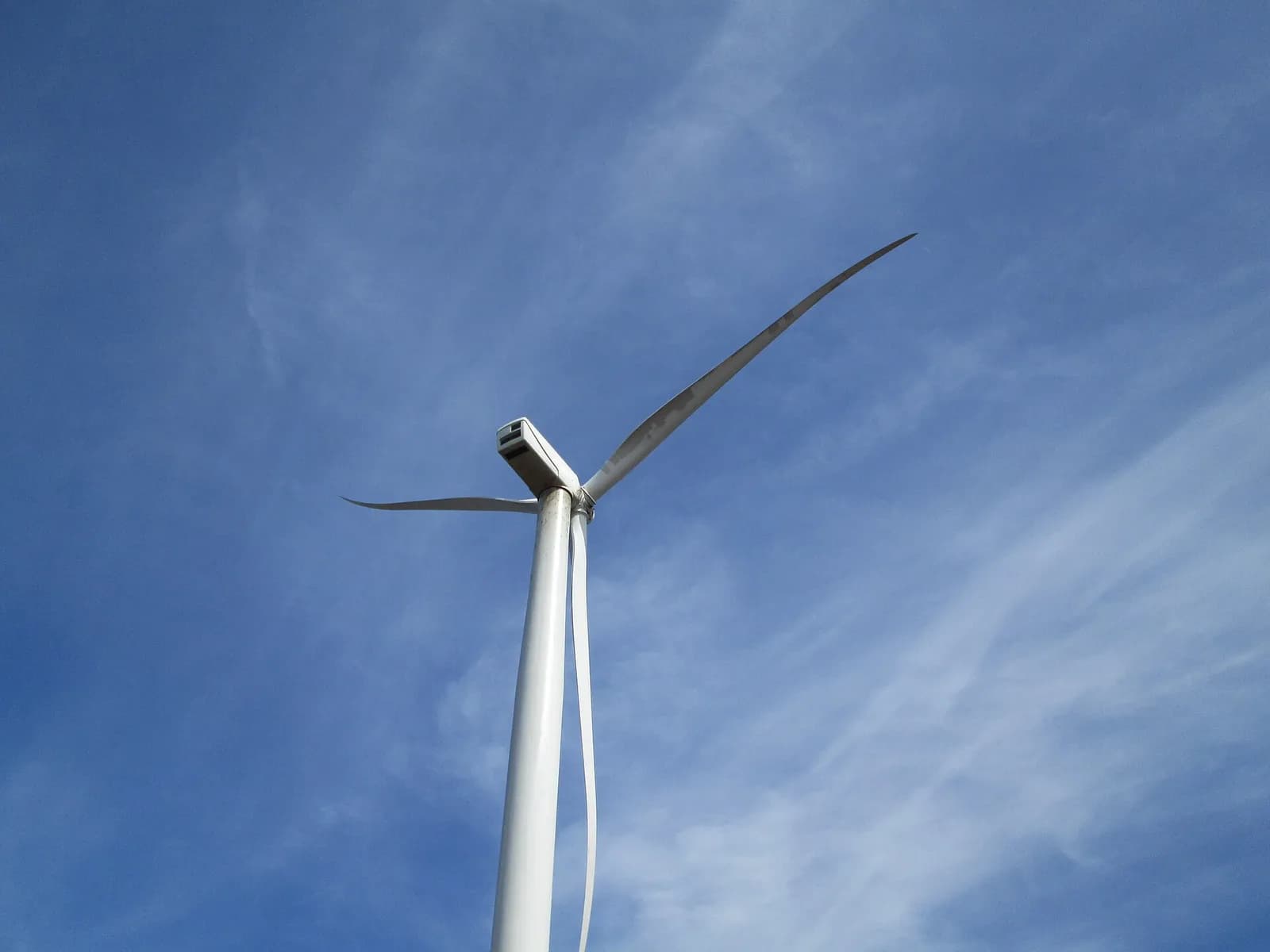
Wind Energy
Wind turbines convert part of the kinetic energy in moving air into electricity.
- Purpose
- Generating electricity for local users and electricity networks.
- Advantage
- No fuel is burned at the turbine while it generates electricity.
- Limitation
- Output varies with wind conditions and depends strongly on location.
 Photograph
Renewable electricity generation
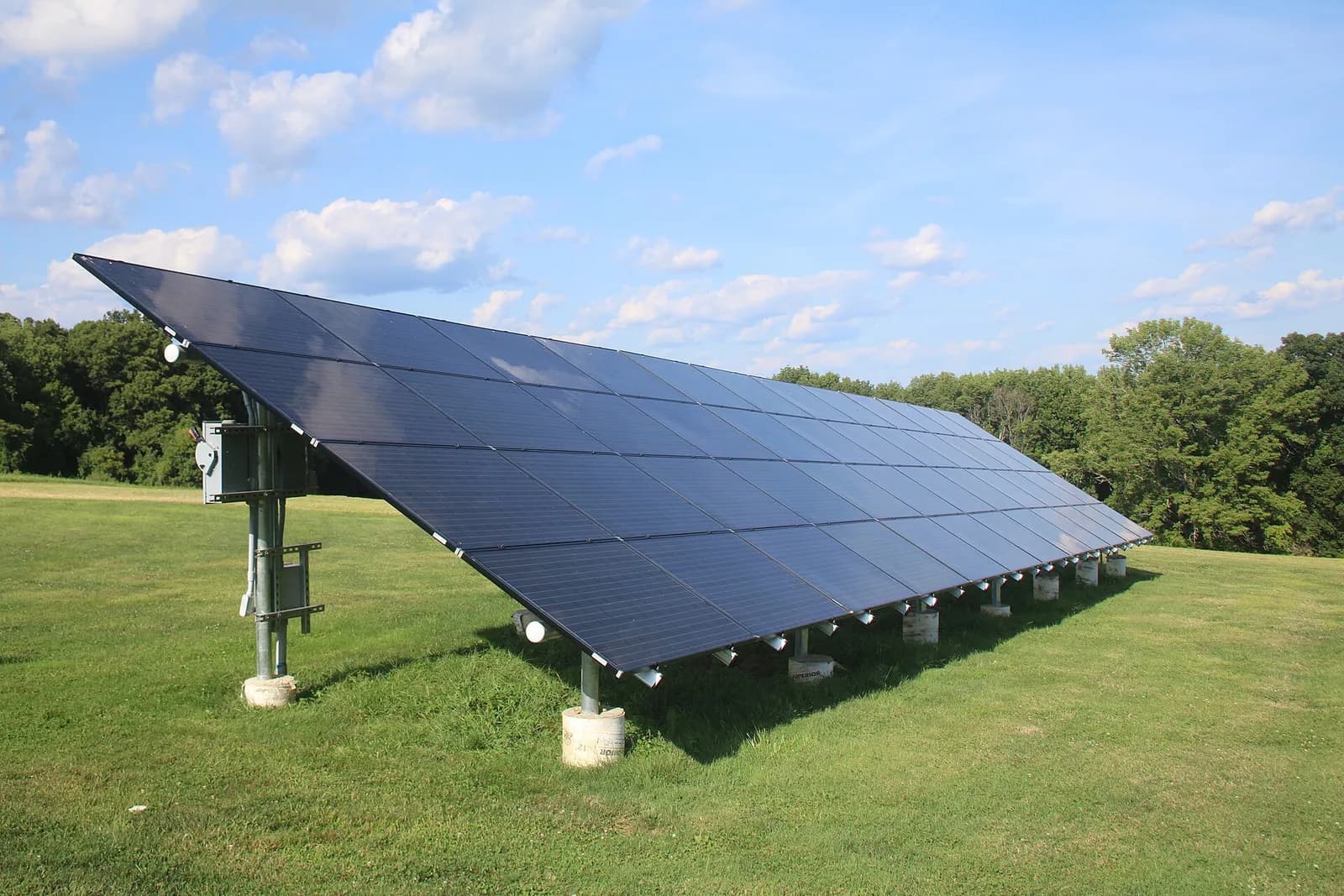
Solar Photovoltaics
Photovoltaic (PV) cells use semiconductor materials to convert sunlight directly into electricity.
- Purpose
- Generating electricity on rooftops, in larger arrays and in off-grid systems.
- Advantage
- No moving parts in the cells; modules are expected to operate for 25 years or more.
- Limitation
- Output changes with daylight, weather, season and shading. Panels do not store electricity.
 Photograph
Building heating and cooling
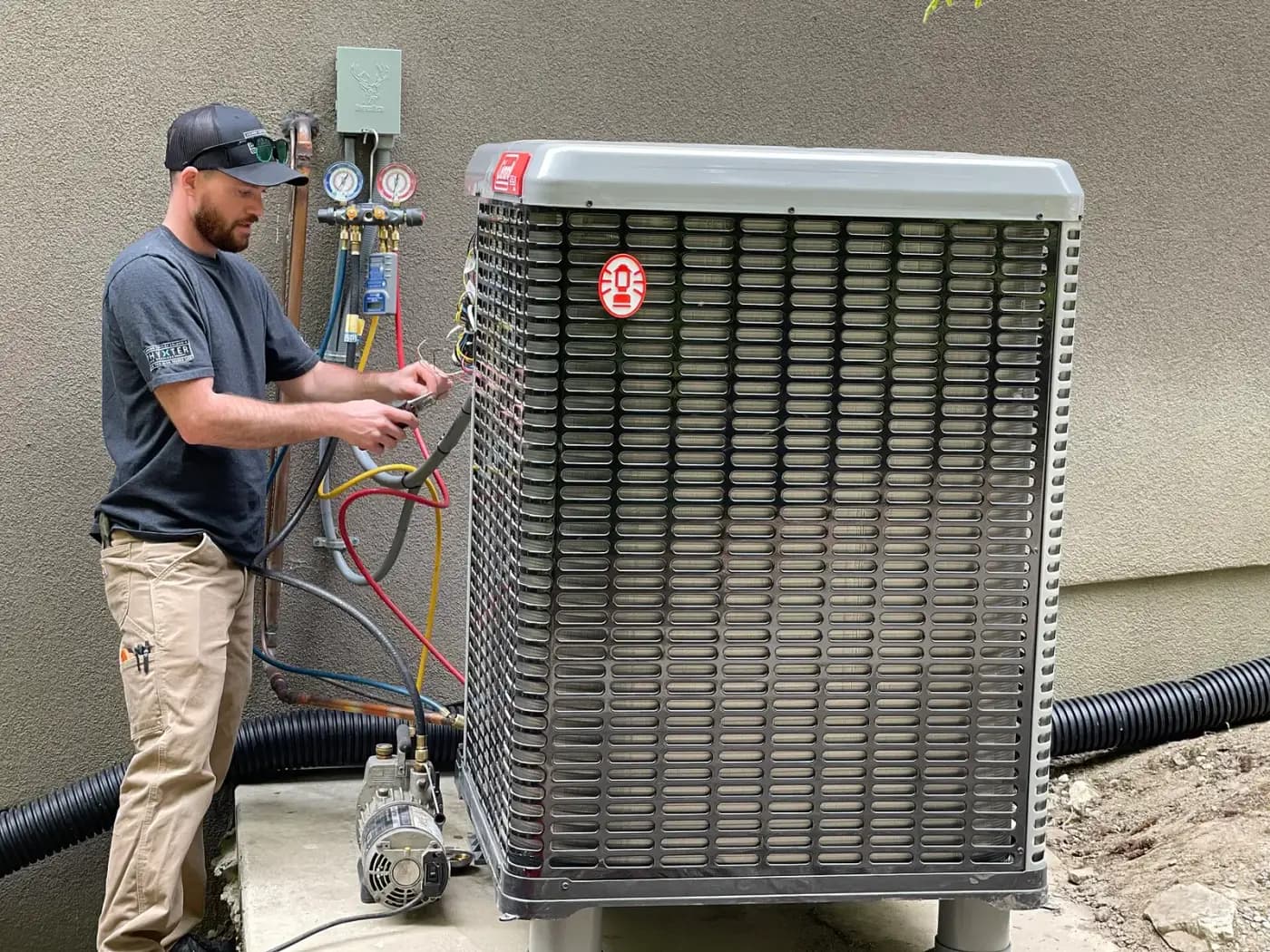
Heat Pumps
Heat pumps use electricity to move thermal energy from one place to another.
- Purpose
- Heating buildings in cold weather and cooling them in warm weather.
- Advantage
- Can deliver more useful heat than the electrical energy they consume.
- Limitation
- Efficiency and capacity fall as outdoor temperatures drop; sizing and installation matter.
Energy storage and electricity-system flexibility
Battery Energy Storage
Batteries store electrical energy in chemical form and later discharge it as electricity.
- Purpose
- Shifting electricity from when it is available to when it is needed and supporting grid stability.
- Advantage
- Fast response helps balance supply and demand from seconds to hours.
- Limitation
- A battery is not a primary energy source; charging uses more electricity than it later supplies.
Transportation electrification
Electric Transportation
Electric vehicles use electric motors powered by onboard traction batteries instead of burning fuel in an engine.
- Purpose
- Providing transportation using electricity.
- Advantage
- Zero tailpipe emissions when running only on electricity.
- Limitation
- Life-cycle emissions are not zero: they depend on electricity generation and on vehicle and battery manufacturing.
Reducing energy demand
Energy Efficiency
Energy efficiency means achieving the same useful service with less energy input.
- Purpose
- Reducing the energy needed for lighting, heating, cooling, appliances and motors.
- Advantage
- Reduces demand on every energy source, including renewable generation.
- Limitation
- It does not generate energy, and results depend on equipment, building and behaviour.
Integrated land use and solar electricity
Agrivoltaics
Agrivoltaics co-locates solar electricity generation with agricultural activity on the same land.
- Purpose
- Sharing land between solar energy and crops, grazing or pollinator habitat.
- Advantage
- Can keep land in agricultural use while generating electricity.
- Limitation
- Outcomes depend on crops, climate, panel design, soils, management and farm economics.
Card photos: Wikimedia Commons contributors under Creative Commons licences; only the wind photo is taken in PEI. Media details
Interactive comparison
Which Technology Does What?
Select two technologies to compare what each one does. The comparison describes roles and principles; it does not rank technologies with an overall score, because they perform different jobs and are measured in different units.
| Attribute | Wind Energy | Battery Energy Storage |
|---|---|---|
| Primary function | Renewable electricity generation | Energy storage and electricity-system flexibility |
| Energy source or input | Kinetic energy of moving air | Electricity from generators or the grid |
| Main output or service | Electricity | Electricity at a later time (minus losses) |
| Typical application | Land-based wind plants, offshore wind and smaller distributed turbines | Grid-scale storage, storage paired with solar or wind, and home back-up systems |
| Principal benefits | Low-carbon electricity during operation; a renewable resource; scalable from single turbines to wind plants. | Balancing supply and demand; storing variable renewable output; back-up power. |
| Important limitations | Variable output; siting, grid-connection and transmission needs; maintenance. | Finite duration; round-trip losses; degradation over time. |
| Environmental considerations | Most life-cycle emissions occur in manufacturing, transport, construction and disposal. Local wildlife impacts, including bird and bat collisions, require careful siting and management. | Requires minerals such as lithium, nickel and cobalt; mining, manufacturing and recycling have environmental impacts. |
| Supporting references | [3][21][9] | [19][21] |
How these two relate
These technologies are complementary, not substitutes. A wind turbine converts wind energy into electricity. A battery stores electricity that was generated earlier and discharges it later. Their ratings also measure different things: a turbine’s MW is generating capacity, while a battery has both a power rating (MW) and an energy rating (MWh).
Renewable electricity generation
Solar Photovoltaics
- What is it?
- A photovoltaic cell, or solar cell, contains a semiconductor material that can absorb sunlight and convert it into electricity. Cells are assembled into modules (panels), and modules into arrays.
- How does it work?
- When sunlight strikes the semiconductor, its energy is transferred to electrons, allowing them to flow as an electric current. Metal contacts collect that current as direct-current (DC) electricity. An inverter converts DC into alternating current (AC) for buildings and the grid.
- What problem does it help address?
- Solar PV can supply electricity without burning fuel during operation, helping to reduce emissions from electricity generation.
- Where is it used?
- Homes, businesses, farms, larger ground-mounted arrays and remote off-grid systems. Silicon is by far the most common cell material.
- Benefits and limitations
- Solar panels generate electricity only while light is available: output falls at night, under cloud, with shading and in winter. They are not storage devices; storing solar electricity requires a separate system such as a battery. Materials, land suitability and recycling also matter.
- How does it connect to other technologies?
- Solar can be paired with battery storage to shift energy to later hours, and with agriculture through agrivoltaics. Its generation pattern often complements wind.
Energy storage and electricity-system flexibility
Battery Energy Storage
- What is it?
- A battery energy storage system charges using electricity, stores that energy chemically, and discharges it as electricity when needed.
- How does it work?
- During charging, electricity drives chemical reactions inside the cells. During discharging, those reactions reverse and supply electric current. Some energy is lost in each cycle, so storage systems use more electricity for charging than they return.
- What problem does it help address?
- Electricity supply and demand must be balanced continuously. Storage can shift energy in time, smooth variable wind and solar output, and provide fast grid support.
- Where is it used?
- Utility-scale systems on electricity grids, systems located next to solar or wind facilities, businesses, and homes with rooftop solar.
- Benefits and limitations
- Two ratings matter. Power capacity (kW or MW) is the maximum rate at which a battery can discharge. Energy capacity (kWh or MWh) is the total amount it can store or discharge. For example, a 10 MW / 20 MWh system could, in principle, supply 10 MW for about two hours. These are different quantities and must never be compared as if they were interchangeable.
- How does it connect to other technologies?
- Batteries do not create electricity: they depend on generators such as wind, solar or other sources. Many electric vehicles also rely on battery technology.
Transportation electrification
Electric Transportation
- What is it?
- All-electric vehicles store electricity in a traction battery and use one or more electric motors to drive the wheels. Plug-in hybrids combine a battery and motor with a combustion engine.
- How does it work?
- Charging stores electrical energy in the battery. The motor converts electrical energy into mechanical energy that moves the vehicle. During regenerative braking, the motor works as a generator, converting some of the vehicle’s motion back into electricity to recharge the battery.
- What problem does it help address?
- Transportation is a major source of energy-sector emissions, and oil remains its dominant fuel. Electrification can reduce emissions, especially where electricity is generated from low-emission sources.
- Where is it used?
- Personal vehicles, public transit buses, delivery vehicles and an increasing number of other applications.
- Benefits and limitations
- All-electric vehicles have zero tailpipe emissions, but that is only one part of the picture. Well-to-wheel emissions include producing and delivering the electricity. Cradle-to-grave (life-cycle) emissions also include manufacturing the vehicle and battery and end-of-life recycling or disposal. Where electricity comes from higher-emission sources, the life-cycle benefit is smaller.
- How does it connect to other technologies?
- EVs connect transportation with electricity generation and storage. Walking, cycling and public transport can also reduce transportation energy demand.
Reducing energy demand
Energy Efficiency
- What is it?
- Efficiency improvements reduce the energy input needed to provide a service. An efficient light provides the same illumination with less electricity; a well-insulated building needs less heat to stay warm.
- How does it work?
- Different measures reduce different losses: insulation and air sealing slow heat loss through a building, LED lighting converts more electricity into light, high-efficiency motors waste less energy as heat, and controls avoid running equipment when it is not needed.
- What problem does it help address?
- Every unit of energy that does not need to be supplied avoids its associated generation, emissions and infrastructure.
- Where is it used?
- Homes, schools, businesses, industry and public infrastructure.
- Benefits and limitations
- Efficiency is not energy generation: it reduces demand rather than supplying energy. Results depend on the starting point, installation quality and how equipment is used, so savings should not be assumed to be the same everywhere.
- How does it connect to other technologies?
- Natural Resources Canada recommends reducing a home’s heat losses before installing a heat pump, which can allow a smaller system to operate more efficiently. Lower demand also complements renewable generation and storage.
Integrated land use and solar electricity
Agrivoltaics
- What is it?
- Agrivoltaics, also called dual-use solar, places agricultural production such as crops, livestock or pollinator habitats underneath solar panels or between rows of panels.
- How does it work?
- Panel height, spacing and orientation determine how much sunlight reaches the ground, how machinery and animals can move, and how the microclimate beneath the panels changes.
- What problem does it help address?
- Most large ground-mounted solar systems use land only for energy production. Co-location may reduce competition between energy and agricultural land uses in some settings.
- Where is it used?
- Research sites and farms combining solar with grazing, crop production or pollinator habitat. This is an active research area at the U.S. Department of Energy and the U.S. Department of Agriculture.
- Benefits and limitations
- Possible benefits include diversified revenue, shade and microclimate changes, and ecological advantages. However, agrivoltaics does not always increase crop yields or reduce water use: results depend on crop species, climate, panel configuration, soil, management and farm economics.
- How does it connect to other technologies?
- Agrivoltaics links solar electricity generation with agricultural land management and biodiversity.
Sources [6]
Connecting the pieces
A Cleaner Energy System Works Together
Generation, storage, transmission and distribution, and end-use efficiency are distinct roles, but they depend on one another. This illustrative diagram shows general relationships only.
- GenerateWindSolar, including agrivoltaics
- DeliverElectricity system: transmission and distribution⇄Battery storage: charges and discharges
- UseHomes and buildings: heat pumps and efficient equipmentBusinesses and other electricity usesTransportation: electric vehicles
Generation converts a primary resource such as wind or sunlight into electricity. Storage shifts electricity in time but does not create it. Transmission and distribution move electricity to users. End-use technologies such as heat pumps turn electricity into useful services, and efficiency reduces the energy those services require. [21][19]
Agrivoltaics shows that a generation site can also support farming, linking electricity production with agricultural land management. [6]
Sources & further reading
- [3] U.S. Department of Energy. How Do Wind Turbines Work? (opens in a new tab) (Page metadata 2013; sections dated 2019–2020).
- [5] U.S. Department of Energy. Solar Photovoltaic Cell Basics (opens in a new tab) (August 21, 2020 (page metadata)).
- [17] Natural Resources Canada. Heating and Cooling with a Heat Pump (opens in a new tab) (Not dated).
- [19] U.S. Energy Information Administration (EIA). Energy Storage for Electricity Generation (opens in a new tab) (Last updated August 28, 2023).
- [20] U.S. Department of Energy — Alternative Fuels Data Center. Emissions from Electric Vehicles (opens in a new tab) (Not dated).
- [21] Clarke, L., Y.-M. Wei et al. / IPCC Working Group III. Climate Change 2022: Mitigation of Climate Change — Chapter 6: Energy Systems (opens in a new tab) (2022).
- [6] U.S. Department of Energy. Agrivoltaics: Solar and Agriculture Co-Location (opens in a new tab) (Not dated).
- [1] IPCC. Climate Change 2023: Synthesis Report — Summary for Policymakers (opens in a new tab) (2023).